A lot of ecommerce brands still underestimate how powerful email marketing
actually is.
They focus heavily on paid ads, customer acquisition, influencer campaigns,
and content — while email quietly becomes one of the highest-performing
revenue channels sitting in the background.
The reality is that email marketing is no longer just a “nice extra” for
ecommerce brands.
It’s one of the most important parts of sustainable growth.
As acquisition costs continue rising across Meta, Google, and TikTok, brands
are realising that constantly chasing new customers becomes expensive very
quickly.
That’s why retention matters more than ever.
And email marketing sits at the centre of that retention strategy.
When done properly, email marketing helps ecommerce brands:
- increase repeat purchases,
- improve customer loyalty,
- build stronger relationships,
- recover lost revenue,
- and create more predictable long-term growth.
But most brands still approach email incorrectly. They either:
- send too many generic campaigns,
- rely too heavily on discounts,
- or never build proper lifecycle systems in the first place.
Good email marketing isn’t just about sending promotions.
It’s about guiding customers through a better overall experience.
In this guide, we’ll break down what modern ecommerce email marketing
actually looks like, why it matters so much, and how brands can build
stronger retention systems moving forward.
What Is Email Marketing?
At its core, email marketing is the process of communicating directly with
customers through email.
But modern ecommerce email marketing goes far beyond newsletters and
discount blasts. Today, email marketing includes:
- lifecycle automation,
- customer segmentation,
- retention strategy,
- post-purchase experiences,
- abandoned cart recovery,
- personalised product recommendations,
- and long-term customer nurturing.
The goal isn’t simply generating more opens or clicks.
The goal is building stronger customer relationships that increase lifetime
value over time.
That’s the difference between basic email marketing and proper retention
marketing.
Why Email Marketing Matters More Than Ever
Over the last few years, ecommerce has become significantly more
competitive.
Customer acquisition costs continue increasing. Paid advertising is less
predictable. Consumer attention spans are shorter.
That’s why owned marketing channels matter so much now.
Unlike paid media, your email list is an asset you actually control.
You’re not relying on algorithms to reach customers.
You can communicate directly with your audience whenever needed.
For ecommerce brands, email marketing helps:
- drive repeat purchases,
- recover abandoned carts,
- improve retention,
- educate customers,
- build trust,
- and strengthen loyalty over time.
More importantly, strong email systems compound.
As your customer base grows, the value of retention marketing grows
alongside it.
The Biggest Benefits of Email Marketing for
Ecommerce Brands
1. Higher Customer Retention
One of the biggest advantages of email marketing is retention.
Most ecommerce brands spend the majority of their budget trying to acquire
new customers.
But retaining existing customers is usually far more profitable long term.
Email helps brands stay connected with customers after the first
purchase through:
- educational content,
- product recommendations,
- post-purchase communication,
- and personalised campaigns.
The brands seeing the strongest growth are often the ones retaining
customers properly — not simply acquiring more traffic.
2. More Predictable Revenue
Paid advertising can fluctuate constantly.
Email marketing creates more stability.
Once brands build:
- automations,
- flows,
- segmentation systems,
- and retention campaigns,
email becomes a much more predictable revenue driver.
Well-built lifecycle systems continue generating revenue automatically in
the background every day.
That consistency becomes incredibly valuable as brands scale.
3. Better Customer Relationships
Good email marketing builds familiarity.
Customers are far more likely to buy repeatedly from brands they recognise
and trust.
That’s why email should never feel purely transactional.
The best ecommerce emails feel:
- relevant,
- useful,
- well-timed,
- and aligned with the overall brand experience.
Strong customer relationships are what drive long-term retention.
Email simply helps maintain those relationships consistently.
4. Recovery of Lost Revenue
Not every customer purchases immediately.
In fact, most don’t.
That’s where email automations become extremely valuable.
Flows like:
- abandoned cart emails,
- browse abandonment,
- and win-back campaigns
help brands recover revenue that would otherwise be lost.
Even relatively small improvements in these automations can generate
significant long-term revenue growth.
The Core Parts of a Good Ecommerce Email
Strategy
A strong email marketing setup usually includes multiple moving parts
working together.
Not just random campaigns.
Here are some of the most important foundations.
Welcome Flows
The welcome sequence is often one of the highest-performing automations in
ecommerce.
Why?
Because engagement is highest immediately after someone subscribes.
A strong welcome flow should:
- introduce the brand properly,
- explain what makes the products different,
- build trust,
- and guide customers towards their first purchase naturally.
Most brands either overcomplicate this stage or become too sales-heavy too
quickly.
The goal should be building trust first.
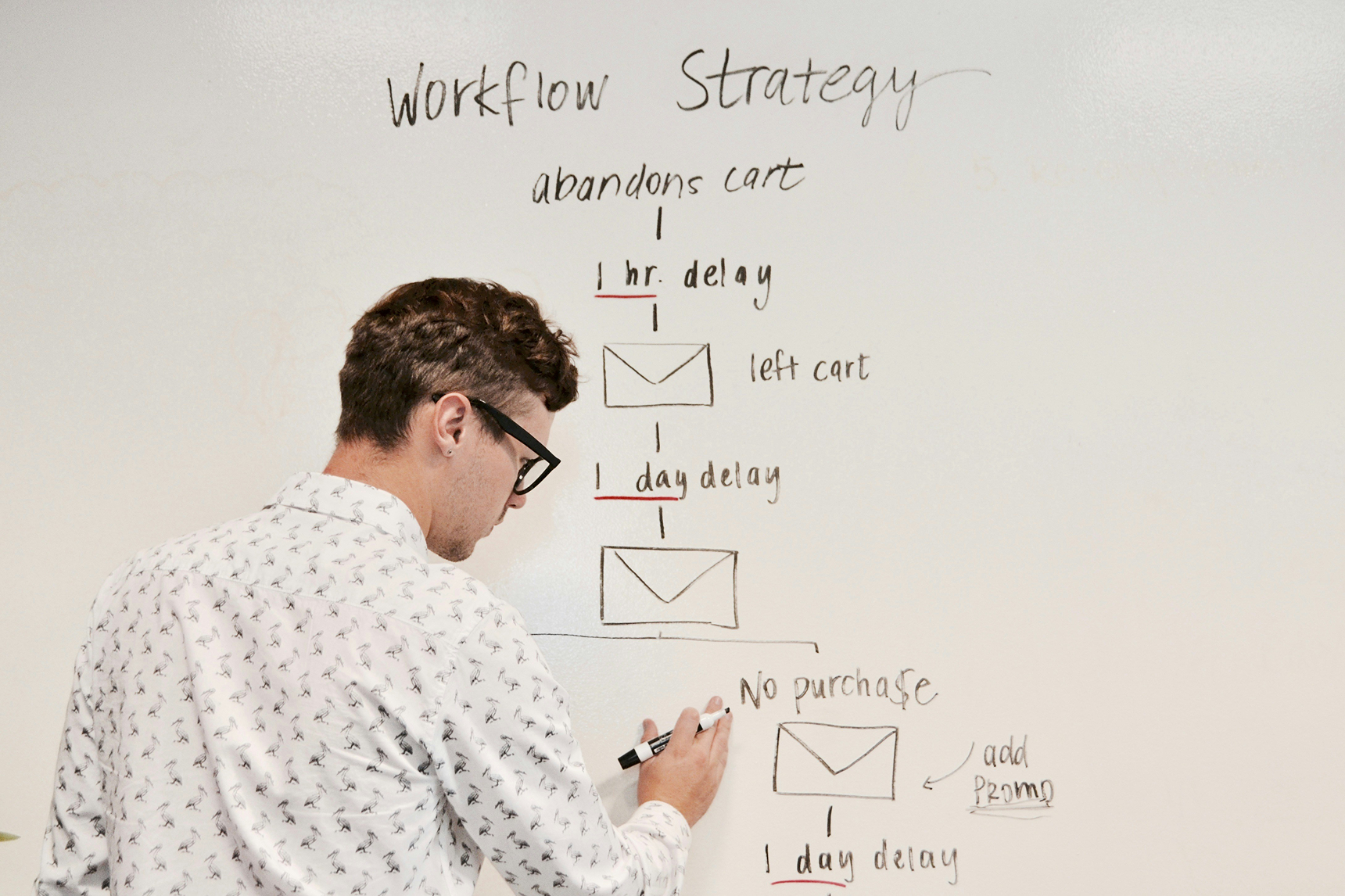
Abandoned Cart Emails
Cart abandonment is one of the biggest missed opportunities in ecommerce.
Customers often leave carts because they:
- get distracted,
- compare alternatives,
- or simply need more time.
Good abandoned cart flows help bring customers back without feeling overly
aggressive.
The strongest flows usually combine:
- strong design,
- social proof,
- product reassurance,
- and clear CTAs.
Post-Purchase Emails
The post-purchase stage is massively underused by many ecommerce brands.
Customers shouldn’t feel forgotten after checkout.
Good post-purchase emails help:
- reduce buyer’s remorse,
- improve customer experience,
- educate customers,
- and encourage repeat purchases over time.
Retention starts immediately after the first purchase — not months later.
Segmentation
One of the biggest mistakes brands make is sending the same message to every
customer.
Segmentation allows brands to personalise communication based on:
- customer behaviour,
- purchase history,
- engagement levels,
- and interests.
More relevant emails almost always perform better.
Customers engage more when communication feels personalised rather than
generic.
Design Matters More Than Most Brands Think
Good email design isn’t about making emails look “fancy”.
It’s about improving clarity and customer experience.
The strongest ecommerce emails are usually:
- simple,
- mobile-friendly,
- easy to scan,
- and visually aligned with the brand.
Over-designed emails often create friction.
Clear communication almost always performs better than clutter.
Common Email Marketing Mistakes Ecommerce Brands
Make
Some of the most common issues we see include:
- sending too many discounts,
- weak welcome flows,
- poor segmentation,
- inconsistent sending,
- ignoring post-purchase experience,
- and focusing too heavily on short-term sales.
Good retention marketing should support long-term customer relationships —
not just immediate transactions.
That shift in mindset matters a lot.
How Peak Approaches Ecommerce Email Marketing
At Peak, we focus heavily on building retention systems that support
long-term ecommerce growth. That includes:
- lifecycle strategy,
- automation systems,
- customer segmentation,
- retention-focused design,
- conversion copywriting,
- and ongoing optimisation.
Our goal isn’t simply increasing email volume.
It’s creating email experiences that:
- feel more relevant,
- improve customer retention,
- strengthen brand loyalty,
- and drive more sustainable revenue growth over time.
Because ultimately, the best email marketing doesn’t feel like marketing.
It feels like good customer experience.
Final Thoughts
Email marketing remains one of the most valuable channels available to
ecommerce brands today.
Not because it’s flashy.
But because it works.
The brands seeing the strongest long-term growth are usually the ones
investing properly in:
- customer retention,
- lifecycle marketing,
- segmentation,
- and customer experience.
As acquisition becomes more expensive, retention becomes even more
important.
And email marketing continues to be one of the most effective ways to
support that growth long term.
For ecommerce brands wanting more predictable revenue and stronger customer
loyalty, email marketing should never be treated as an afterthought.